Introduction
In the ever-evolving landscape of healthcare, specifically within the realm of respiratory system care, the need for specialized training is vital. Ventilation training courses are important in ensuring healthcare specialists are geared up with the essential skills to handle individuals who need mechanical air flow assistance. The National Disability Insurance Policy Scheme (NDIS) in Australia emphasizes effective training programs customized to fulfill the special needs of individuals living with disabilities, consisting of those requiring ventilatory support.
This short article explores Designing an Effective NDIS Ventilation Training Course: Finest Practices, discussing different aspects such as content production, useful applications, regulatory considerations, and airway management and ventilation techniques for efficient knowing end results. We will look into why a robust educational program is crucial for not simply nurses however all healthcare providers associated with respiratory tract administration and ventilation.
Understanding NDIS Air flow Training
What is NDIS Air flow Training?
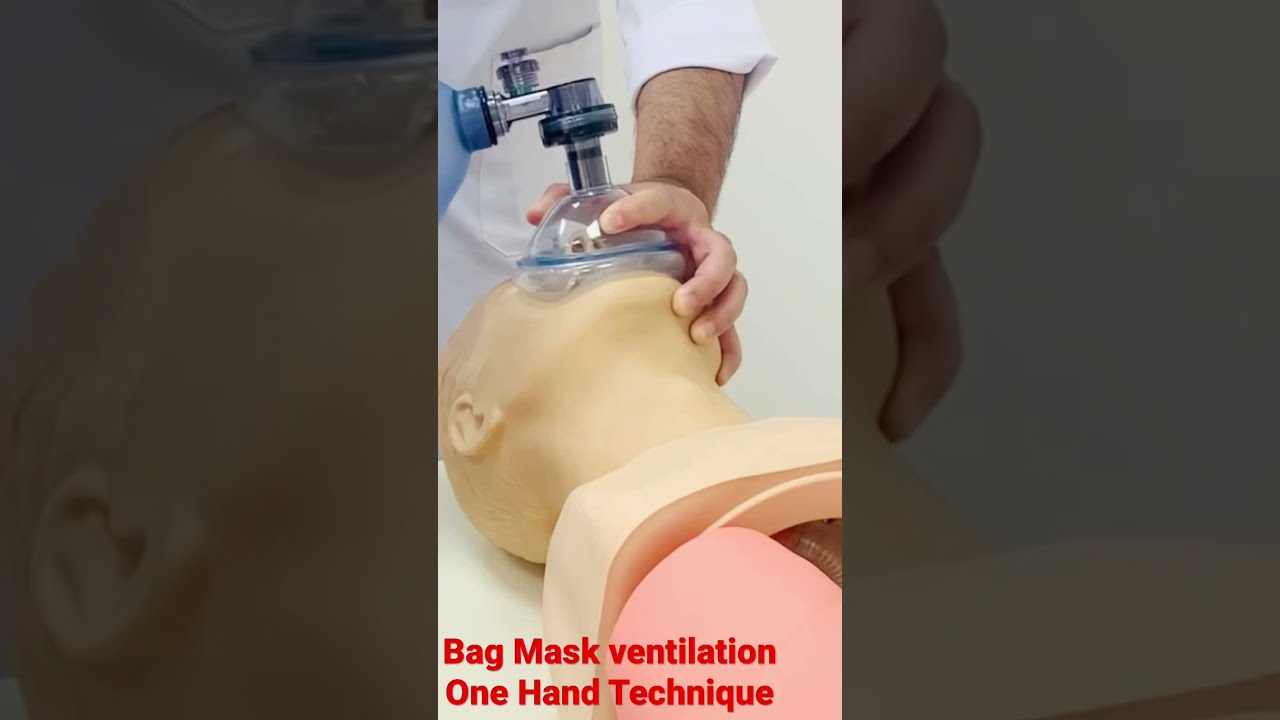
NDIS ventilation training refers to customized programs created for doctor dealing with individuals who call for aid with breathing as a result of various clinical conditions. This type of training focuses on both academic knowledge and useful abilities essential for reliable air passage monitoring and ventilation.
The Relevance of Ventilation Training Courses
Ventilator usage has boosted dramatically over the last few years, making it vital for medical care experts to be educated properly. The best education can lead to much better patient end results and a boosted understanding of ventilator stress assistance mechanisms.
Basic Principles of Mechanical Ventilation
Mechanics of Breathing
Understanding just how mechanical ventilation works is fundamental. At its core, mechanical air flow helps individuals who can not take a breath adequately on their own.
Types of Mechanical Ventilators- Invasive vs. Non-invasive Volume-cycled vs. Pressure-cycled
- Endotracheal tubes Tracheostomy devices Humidifiers
Ventilator Setups Explained
What do the settings on a ventilator mean? Each parameter changes just how much air and oxygen a person receives.
- Tidal Volume (VT): The amount of air delivered in each breath. Respiratory Rate (RR): The number of breaths per minute. FiO2: The fraction of passionate oxygen.
Understanding these settings permits healthcare providers to maximize therapy plans effectively.
Curriculum Style for NDIS Ventilation Courses
Key Components of Educational program Development
Creating a curriculum that meets both governing requirements and practical needs entails several key elements:
Learning Objectives: Define what participants need to recognize by the end of the course. Content Structure: Arrange material in sensible segments such as fundamental ventilator training course content adhered to by advanced techniques. Assessment Methods: Figure out just how students will be assessed-- practicals, composed examinations, etc.Incorporating Adult Knowing Principles
Adults discover in different ways than kids; hence, incorporating principles like self-directed learning and real-world applicability can improve engagement.
Best Practices in Educating Techniques
Hands-On Training Approaches
Why are hands-on techniques important? Because they https://zanderpenh744.lucialpiazzale.com/exploring-various-types-of-air-flow-courses-available-today allow individuals to practice their abilities in a regulated setting before experiencing real-life scenarios.
- Simulation labs Role-playing exercises Case studies
These techniques foster self-confidence among trainees while preparing them for emergencies they might face in professional settings.
Utilizing Modern technology in Education
Technological advancements have actually changed education and learning shipment systems dramatically. Utilizing online systems can extend reach while providing versatility to active healthcare professionals.
Virtual classrooms Interactive e-learning modules Telehealth integrationTracheostomy and Ventilator Training
Understanding Tracheostomy Care
Tracheostomy treatments involve positioning a tube via an incision in the trachea to help with breathing when conventional airway management fails or is not sufficient.
- Types of tracheostomy tubes Indications for use
Integrating Tracheostomy into Ventilator Training
Incorporating tracheostomy care into ventilator training guarantees comprehensive insurance coverage of airway monitoring subjects vital for nursing competence.
Evaluation Approaches for NDIS Air Flow Courses
Formative Evaluation Techniques
Assessment is important throughout the understanding process. Formative assessments assist recognize areas requiring enhancement during training instead of only at its conclusion.
Quizzes after each module Peer comments sessions Observational checklists throughout practicalsSummative Assessment Methods
Summative examinations gauge total performance at the end of the program with:
- Final exams Practical ability assessments Course responses surveys
Legal and Ethical Considerations in Ventilation Training
Regulatory Specifications Compliance
Adhering to regional legislations pertaining to health care training guarantees that programs satisfy required safety criteria and academic top quality benchmarks.

Ethical Duties as Educators
As instructors, there exists a moral obligation to pass on precise information while advertising risk-free techniques amongst future medical care providers.
Engaging Medical care Professionals in Discovering Modules
Creating Interactive Understanding Experiences
Interactive settings not only make finding out pleasurable but likewise boost information retention prices among participants.
- Group discussions Hands-on demos with comments loopholes
Motivational Techniques for Adult Learners
How do you keep adult learners encouraged? Concentrating on relevance and functional application maintains rate of interest levels high throughout the program duration.
Conclusion: Changing Lives With Education
In amount, reliable NDIS ventilation training courses form a foundation for skilled breathing treatment method within Australia's varied medical care framework. By complying with best techniques described right here-- from curriculum advancement via assessment-- teachers can create impactful learning experiences that outfit registered nurses and various other experts with essential skills needed for taking care of airway-related challenges effectively.
FAQs about Creating an Effective NDIS Ventilation Training Program: Best Practices
Q1: What sorts of professionals need to take an NDIS ventilation training course? A1: Mainly focused on nurses, but also helpful for allied health and wellness staff involved in patient respiratory system treatment management.
Q2: How much time does it commonly take to complete an NDIS air flow course? A2: Period varies widely depending upon program structure; nonetheless, most training courses range from eventually approximately a number of weeks.

Q3: Are there prerequisites before registering in an NDIS ventilation training course? A3: Yes, normally some background knowledge or experience related to respiratory system therapy or nursing is required.
Q4: Can this training enhance person results significantly? A4: Definitely! Appropriately trained staff can supply better care leading directly to improved patient health and wellness results.
Q5: Is on-line training readily available for these courses? A5: Yes! Several institutions provide hybrid designs combining on-line concept with useful components done onsite.
Q6: Will certainly I receive qualification upon completion? A6: Most respectable training courses supply accreditation recognized within the sector upon adequate completion.
Designed thoughtfully, this thorough strategy towards creating reliable NDIS ventilation training courses will unquestionably add favorably towards improving client treatment across various setups-- paving pathways towards excellence!